
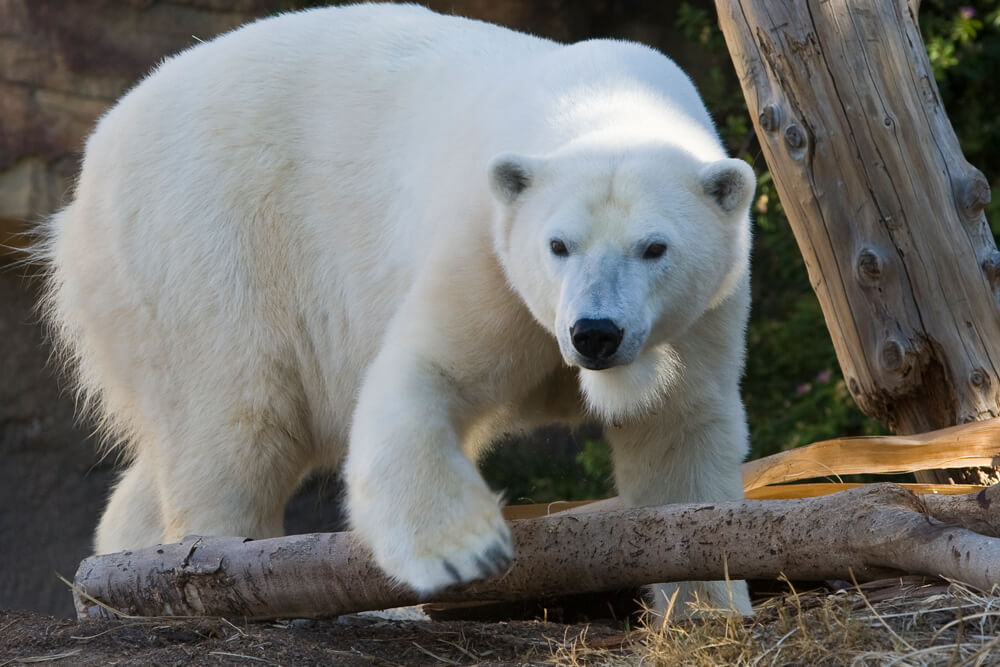
POLAR BEARS
Polar bears, the iconic giants of the Arctic, are masterfully adapted to their frozen habitat. Their thick fur, consisting of two layers, provides insulation against the biting cold, while their large, webbed paws aid in navigating the icy terrain and swimming through frigid waters with ease. Their keen sense of smell helps them locate seals, their primary prey, from great distances, often relying on sea ice as a hunting platform. With a remarkable ability to fast for extended periods, polar bears can endure the scarcity of food during the Arctic's harsh winters, relying on stored fat reserves for survival.
However, polar bears face an uncertain future due to the rapid loss of sea ice caused by climate change. As their icy hunting grounds dwindle, polar bears are forced to travel greater distances in search of food, leading to increased energy expenditure and decreased reproductive success. Additionally, diminishing sea ice makes it challenging for polar bears to access their prey, further exacerbating their struggle for survival. Conservation efforts, such as reducing greenhouse gas emissions and protecting critical habitats, are crucial for ensuring the long-term survival of these magnificent creatures in a rapidly changing Arctic environment.
WHERE WILL YOU FIND THEM?
You will find the polar bears near the penguins at J17, on the cooler side of the zoo.